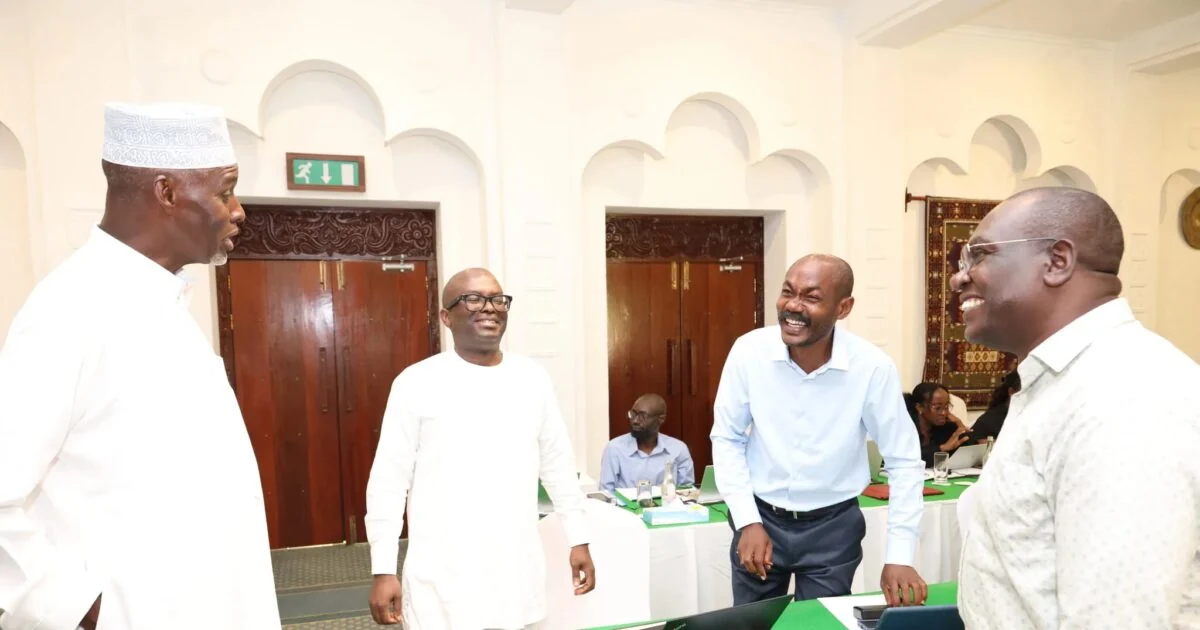
NAIROBI, Kenya, Nov 12 – Supreme Court judges have completed a two-day training programme on electoral dispute resolution as the Judiciary steps up preparations to handle challenges arising from the 2027 General Election. In a media release issued on on Thursday, the Judiciary said the training was part of its wider programme to “strengthen institutional preparedness for the timely, fair and effective resolution of electoral disputes.” The training, held on November 9 and 10 and convened by the Judiciary Committee on Elections (JCE) in collaboration with the Kenya Judiciary Academy (KJA), focused on the constitutional and legal framework governing presidential election petitions, effective case management, evaluation of electoral evidence and emerging legal and technological issues. The Judiciary said the programme also addressed scrutiny and recount of votes, interlocutory applications, consistency in electoral jurisprudence, artificial intelligence, misinformation and disinformation, as well as effective judicial communication during the electoral period. Chief Justice Martha Koome, who opened the training, underscored the importance of building on judicial experience from the 2013, 2017 and 2022 electoral cycles while equipping the court to address emerging challenges in the 2027 General Election. Koome emphasised that judicial preparedness was essential to safeguarding electoral justice, upholding the rule of law and sustaining public confidence in the Judiciary as an independent and impartial arbiter of electoral disputes. Under Article 163(3)(a) of the Constitution, the Supreme Court has exclusive original jurisdiction to hear and determine disputes relating to presidential elections. Article 140 requires presidential election petitions to be filed within seven days after the declaration of results and determined within 14 days of filing, placing strict timelines on the court’s handling of such disputes. The Judiciary said the Supreme Court training forms part of a continuous capacity-building programme coordinated by the JCE and KJA. “The programme is being progressively rolled out to judges, judicial officers, court clerks and other relevant personnel across courts and tribunals exercising electoral dispute resolution jurisdiction,” the statement said. The programme covers disputes arising at different stages of the electoral process, including political party nomination disputes, other pre-election disputes and post-election petitions. The Judiciary said the initiative is intended to strengthen the capacity of courts and tribunals to resolve electoral disputes independently, impartially, fairly and expeditiously, while improving institutional coordination, operational readiness and the deployment of judicial personnel and technological systems. The preparations come ahead of the August 2027 General Election, in which the Judiciary is expected to play a central role in resolving disputes arising from the electoral process.