

BusinessWire
Afghanistan’s new road to China ends at a closed border
Taliban government hopes its Wakhan Corridor road will open new trade routes and reduce reliance on Pakistan.
Nairobi, Kenya
Ethics and Anti-Corruption Commission (EACC) Chairperson Dr David Oginde has challenged accountants and other professionals to uphold integrity and resist corruption, warning that professional expertise is increasingly being exploited to f…
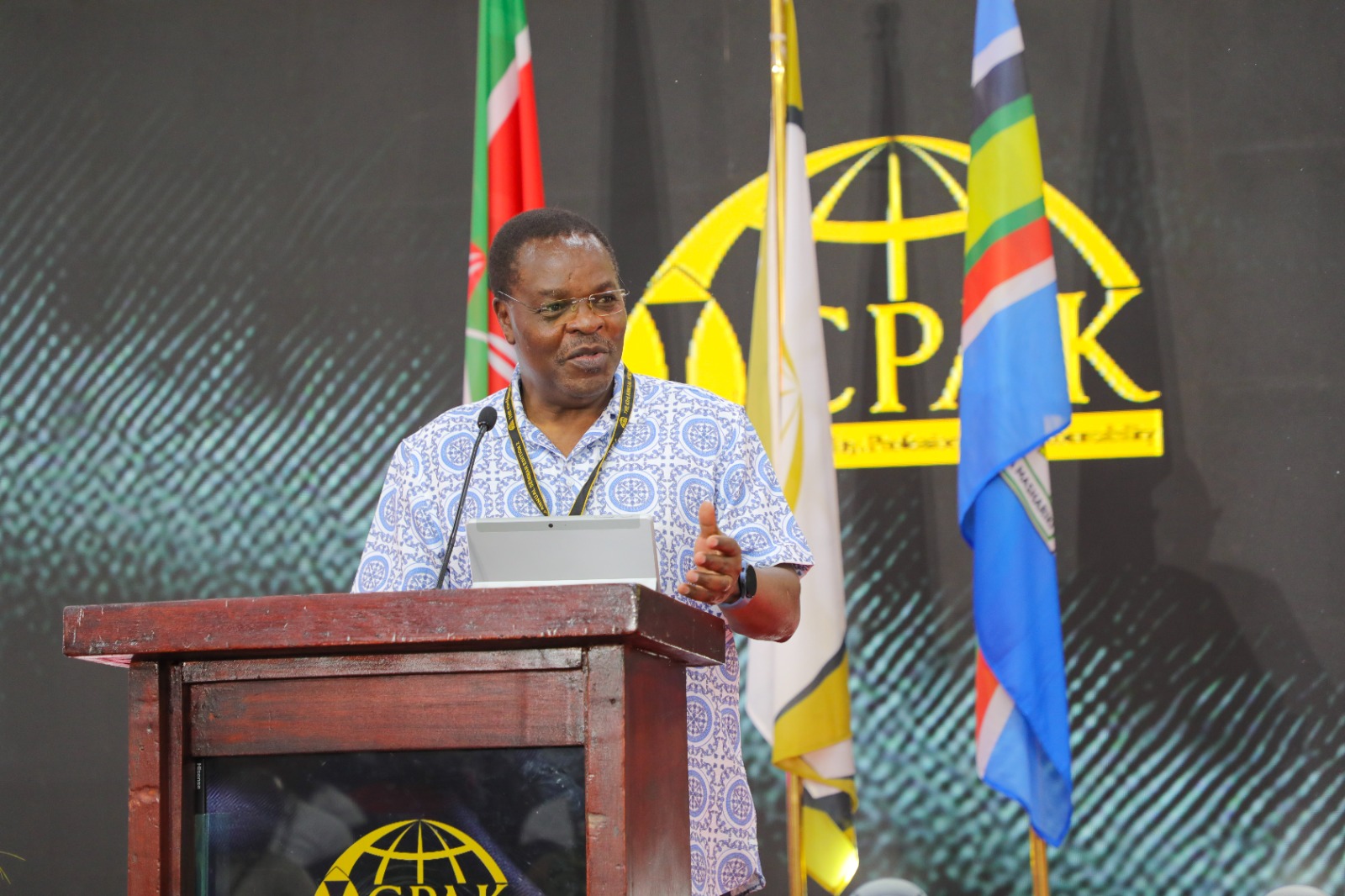
Ethics and Anti-Corruption Commission (EACC) Chairperson Dr David Oginde has challenged accountants and other professionals to uphold integrity and resist corruption, warning that professional expertise is increasingly being exploited to facilitate sophisticated forms of economic crime. Addressing delegates as the Chief Guest at the Institute of Certified Public Accountants of Kenya (ICPAK) Annual Seminar in Mombasa, Dr Oginde emphasised that integrity begins with individual choices and must be reflected in everyday professional conduct. “Integrity is not enforceable it is a personal choice,” he said. The Chairperson expressed concern over the involvement of professionals, including accountants, in corrupt practices, noting that their technical expertise and specialised knowledge can make such offences particularly difficult to detect and investigate. “The wickedness that’s done by professionals is professionally done. It’s not an easy crime for the Commission to crack,” he observed. He challenged accountants to recognise their critical role in safeguarding financial accountability and preventing corruption. Their professional responsibilities, he noted, place them in a position where they can either protect the integrity of institutions or facilitate wrongdoing. Integrity, he explained, is demonstrated through practical decisions: the accountant who refuses to manipulate figures, the auditor who stands by uncomfortable findings and the professional who will not compromise independent judgement. “Integrity is reflected in the accountant who refuses to manipulate figures, the auditor who stands by uncomfortable findings and professionals who will not compromise independent judgement,” Dr Oginde said. He further challenged Kenyans to examine the choices they make when confronted with opportunities for personal gain. “While many people, including young people, understand that corruption is wrong and may openly condemn it, he observed that this conviction is often tested when an opportunity to benefit personally presents itself,” he said. The problem, he noted, is not always a lack of awareness about what is right or wrong, but the willingness to abandon one’s moral convictions when personal interests come into play. Dr Oginde also warned against the culture of silence surrounding corruption, emphasising that failure to speak out against wrongdoing allows unethical conduct to persist. “If we keep silent about wrongdoings, then evil will perpetuate,” he cautioned. He called for greater moral courage among professionals and members of the public, noting that meaningful societal transformation requires individuals who are prepared to confront wrongdoing regardless of who is involved. “Men and women who ultimately transform society have moral courage – they stand up against anyone who wants to do wrong,” he said. The Chairperson challenged Kenyans to rethink their aspirations for the country, urging them to build a nation whose institutions, values and opportunities attract people from across the world, rather than one its citizens seek to leave. “If Americans built their country to the extent we want to go there, why can’t we build Kenya so that the Americans, Singaporeans and other foreigners would want to come and live here?” he posed. Meanwhile, ICPAK Chairperson CPA Prof. Elizabeth Kalunda reaffirmed the Institute’s commitment to working with EACC in the fight against corruption, declaring that the professional body would not provide a hiding place for corruption. She underscored the importance of strengthening collaboration between ICPAK and the Commission in promoting integrity, accountability and good governance within the accounting profession. Prof. Kalunda further committed that ICPAK would present a report at the next summit outlining the progress its members have made in the fight against corruption and the promotion of integrity and good governance. The commitment signals the Institute’s determination to hold its members to high ethical standards and complement EACC’s efforts in preventing and combating corruption. The ICPAK Annual Seminar, held in Mombasa from November 9 to 13, 2026, brought together accounting professionals and other stakeholders to deliberate on issues affecting the profession. The Commission through its continued engagement with professional bodies such as ICPAK, EACC seeks to strengthen institutional collaboration, promote ethical leadership and entrench a culture of integrity. The post EACC Chairperson challenges accountants to uphold integrity, reject corruption appeared first on KBC Digital .
Read also Afghanistan’s new road to China ends at a closed border
This report was written and published by KBC, not by the Trending News Kenya newsroom. It is republished here in full with credit to the publisher, and the headline remains the copyright of KBC. Read our attribution policy. Photographs are the publisher's and are credited above. Last updated 14 November 2026.
Taliban government hopes its Wakhan Corridor road will open new trade routes and reduce reliance on Pakistan.
Traders at Bungoma’s new Sh373 million Soko Kubwa modern market have demanded priority in the allocation of business spaces, warning the government against bringing in outsiders at the expense of those who operated at the site before const…
Dozens of cocaine packages piled up, weighing in at four tonnes and valued at $317 million — the seizure by Liberian police in July was a stark symbol of west Africa’s expanding role in the global cocaine trade. In recent years, the region…